

Quick answer
Lanzarote buggy tours environmental impact centers on soil compaction and erosion across volcanic substrates, vegetation disturbance in protected habitats, and noise affecting endemic wildlife. Since 2019, stricter enforcement limits off-road vehicles to designated tracks outside Timanfaya National Park and key UNESCO Biosphere zones, with most commercial operators now confined to private circuits or paved routes to reduce ecological footprint.
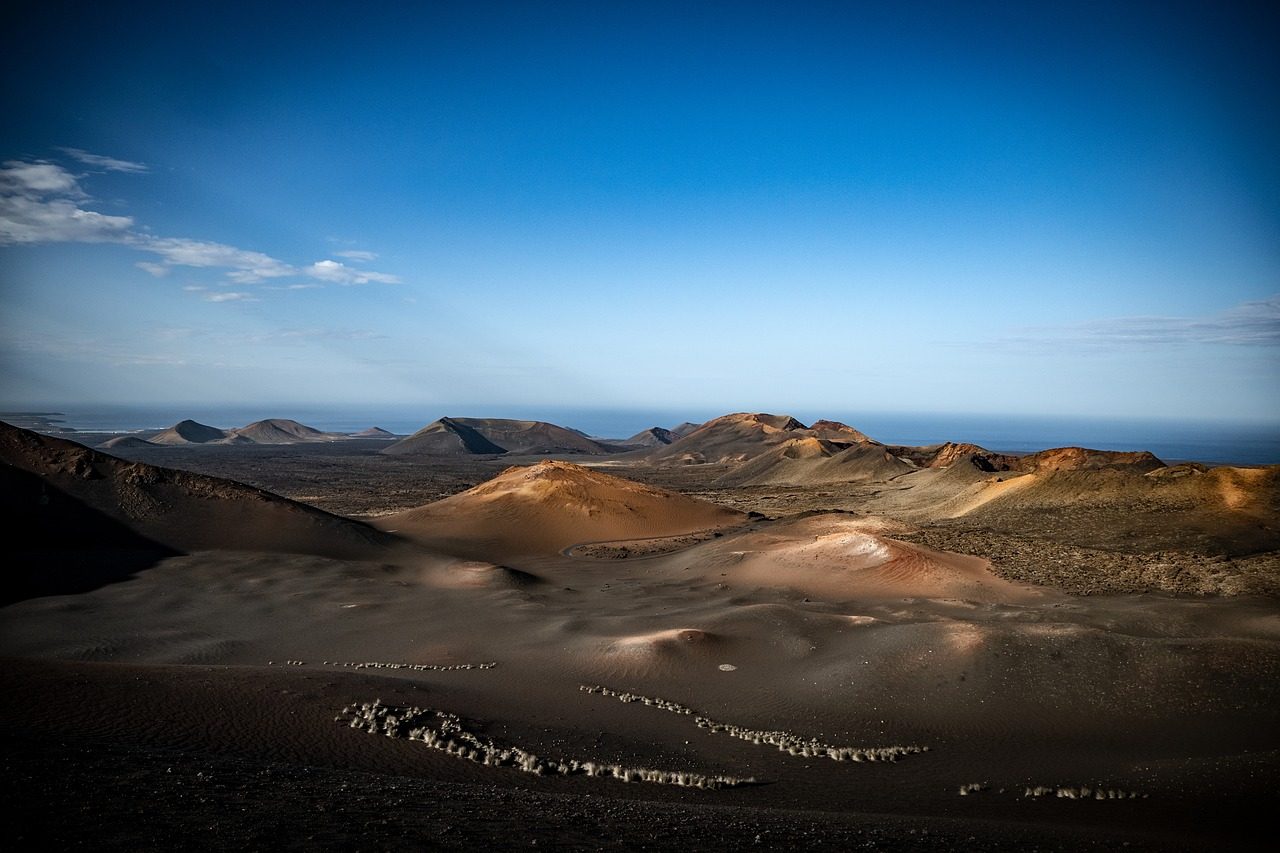
More than one-third of Lanzarote sits within protected natural areas, and the island's UNESCO Biosphere Reserve status imposes strict land-use guidelines that directly affect motorized recreation. Off-road buggy activity accelerates soil erosion on the island's volcanic substrates, which lack the organic matter and root networks that stabilize terrain elsewhere. A single vehicle pass can compact lapilli—loose volcanic gravel—by up to forty percent, creating ruts that channel rainwater and amplify erosion during the island's brief but intense winter storms. Repeated travel over the same routes strips pioneer vegetation like *Launaea arborescens* and lichen crusts that take decades to establish on lava fields, leaving scars visible for years. Regulatory pressure has tightened considerably since the Canary Islands government updated its Natural Heritage and Biodiversity regulations in 2018. Timanfaya National Park prohibits all unauthorized motorized access, and the broader Biosphere Reserve zones restrict off-road vehicles to existing tracks, with fines starting at €3,000 for infractions. Most licensed buggy tour operators now operate on private fincas or follow paved and hardened dirt roads, a shift driven by enforcement rather than voluntary compliance. The environmental impact of buggy excursions in Lanzarote hinges less on the activity itself than on where and how it occurs—contained routes on non-sensitive land carry minimal risk, while unregulated off-road driving in malpaís or coastal dune systems compounds damage that natural processes cannot reverse within human timescales. Noise is another concern. Buggies generate between seventy-five and ninety decibels at cruising speed, disrupting nesting seabirds in coastal reserves and the Canarian houbara bustard, a critically endangered species confined to inland plains. Spring and early summer are particularly sensitive periods when disturbance can cause nest abandonment. Visitors weighing buggy tours against the island's conservation goals should verify that operators hold current permits, stay within approved zones, and avoid ecologically sensitive windows. The regulatory framework is evolving, and future restrictions may further limit where motorized tours can operate as monitoring data accumulates.
“A single vehicle pass can compact volcanic gravel by up to forty percent, creating ruts that channel rainwater and amplify erosion during the island's winter storms.”
Responsible Conduct During Lanzarote Buggy Tours Environmental Impact Scenarios
Off-road buggy activity in Lanzarote operates under strict environmental regulation due to the fragility of volcanic terrain and protected habitats. Adherence to designated routes and exclusion zones is mandatory to prevent irreversible soil erosion and ecosystem damage.
Do
- Stay strictly within marked tracks and approved routes at all times
- Observe all signage indicating protected zones and restricted areas
- Follow your guide's instructions regarding speed limits and stopping points
- Report any track damage or erosion to tour operators immediately
- Choose operators with documented environmental compliance and permits
- Respect wildlife corridors and nesting sites along approved routes
Don't
- Never drive off designated tracks or create new paths
- Don't enter areas marked as prohibited or environmentally sensitive zones
- Avoid excessive speed that displaces soil or damages vegetation
- Don't disturb wildlife or approach nesting birds during tours
- Never litter or leave waste along routes or staging areas
- Don't ignore environmental briefings provided before departure
Timing and Lanzarote Buggy Tours Environmental Impact Restrictions
Buggy activity availability is subject to ongoing environmental regulation across all hours, making the timing of your visit dependent on official operational mandates rather than seasonal demand. The best arrival window is 00:00–23:59 — Not a tourist attraction; off-road buggy activity is subject to ongoing environmental regulation.
Spring (March–May)
Low impact periodsMild temperatures 18°C–23°C
Regulatory oversight often limits routes to protect nesting habitats during these months.
Autumn (September–November)
Stable conditionsWarm temperatures 21°C–25°C
Reduced wind speeds can lead to stricter dust control measures for off-road vehicles.
Weekday mornings
Not applicable—
Operational scheduling remains subject to strict environmental compliance checks regardless of the day.
Verdict: The best arrival window is 00:00–23:59, provided the tour adheres to the latest environmental regulatory restrictions active in Lanzarote.
Accessing Areas Subject to Lanzarote Buggy Tours Environmental Impact Oversight
Buggy tours operate within restricted areas of Lanzarote, Canary Islands, Spain. Access to these off-road regions is strictly managed under environmental regulations.
LZ-2 or LZ-30 highways towards central volcanic zones
Intercity bus lines to Arrecife, followed by operator-provided transport
Direct transfer to authorized tour assembly points
Check availability
FAQs: Lanzarote Buggy Tours Environmental Impact
Everything you need to know about lanzarote buggy tours environmental impact